
Digital Metro-Hub
At the heart of the Digital Metro Hub is a transformative vision: a connected, intelligent healthcare ecosystem. Powered by the core engine, Intelligent Assist (IA), it integrates metro hospitals, clinics, specialists, diagnostics, and rural extensions into a seamless, predictive digital network. This goes beyond simple connectivity.
- AI-Powered Digital Twin Platform (The Brain of the Hub)
- Connects Metro Hospitals, GP Clinics & Rural Centres
- Precision Triage & Patient Flow Management
- Virtual Care & Tele-Consult Support
- Integrated Preventive Health Programs
- Unified Data, Zero Fragmentation
- Enhanced Metro-to-Rural Collaboration

Australia’s Rural Health Landscape
- 7 million Australians live outside major cities.
- Rural communities face poorer access, outcomes, and health equity.
- Chronic disease, workforce shortage, and infrastructure gaps remain critical.
- Digital and AI innovations offer scalable, equitable solutions.
Key Rural Health Challenges
- Limited access to healthcare professionals.
- Higher rates of chronic disease & preventable mortality.
- Mental health burden and suicide risk.
- Indigenous health inequities.
- Poor digital connectivity & infrastructure.
- Workforce burnout and retention issues.
Vision: Intelligent Assist for Rural Health
- A unified, AI-powered health ecosystem enabling predictive and preventive care
- Integrates EHR, Health Wallet, Digital Twin Viewer, and AI Diagnosis tools.
- Designed for low-connectivity, multi-lingual, and community-based deployment.
- Enables remote monitoring, early intervention, and equitable care delivery.
Challenges vs Digital Solutions
- Access = AI Telehealth & Digital Twin Remote Monitoring.
- Chronic Disease = Predictive AI Models & Personalized Care Plans.
- Mental Health = AI Companion & Tele-Counselling.
- Indigenous Health = Multi-lingual, culturally sensitive AI systems.
- Connectivity = Offline-ready, Edge AI infrastructure.
- Workforce = Decision Support & Peer Collaboration tools.
Use Case: Digital Twin for Diabetes Management
- Real-time tracking of glucose, diet, and lifestyle parameters.
- Enables early intervention and reduces hospital visits.
- Connects patient, clinician, and care coordinator in one interface.
- Predicts complications and suggests interventions.
Benefits Across the Ecosystem
- Hospitals Efficient monitoring & reduced readmissions.
- Universities Research-ready datasets for public health innovation.
- 🏛️ Government Real-time population health intelligence.
- Citizens 24/7 Health Wallet and digital access.
- Clinicians AI insights & workload reduction.
Implementation Strategy
- Phase 1: Onboarding 100 Residential Aged care facility with Digital Rural Metro Hub (DRMH) for NSW.
- Phase 2: Expand to Indigenous and remote communities.
- Phase 3: Integrate with national digital health frameworks.
- Phase 4: Scale through public-private partnerships and universities.
Future Vision 2030
- A digitally connected rural Australia with equitable access.
- Digital Twins enabling personalized, preventive, and precise care.
- Intelligent Assist as the backbone of national rural health intelligence.
- Empowered communities, data-driven policy, and sustainable outcomes.
- Rural Health Problems
Limited Access to Healthcare Services
- Shortage of healthcare professionals — especially GPs, nurses, dentists, and specialists.
- Long distances to hospitals or diagnostic centers.
- Reduced emergency response capacity due to sparse ambulance and trauma facilities.
- Limited access to mental health and aged care services.
Poor Health Outcomes
- Higher rates of chronic diseases — such as diabetes, cardiovascular disease, COPD, and kidney disease.
- Increased rates of preventable hospitalizations and mortality.
- Shorter life expectancy compared with urban populations (up to 7 years difference in remote areas).
- Higher rates of injury and accidents, especially from farming, transport, and mining work.
Mental Health Challenges
- High levels of depression, anxiety, and suicide, particularly among farmers, Indigenous people, and youth.
- Limited access to counseling and psychiatric services.
- Stigma around seeking mental health help in small communities.
Technological and Infrastructure Gaps
- Poor digital connectivity limits telehealth potential.
- Lack of diagnostic equipment and laboratory services.
- Inconsistent health data integration across rural facilities.
Workforce Retention and Burnout
- Difficulty attracting and retaining healthcare staff in rural areas.
- Professional isolation, long working hours, and limited career growth.
- High turnover rates disrupt continuity of care.
- Our Telehealth Specialties
Our International Multispecialty physicians come from diverse backgrounds with different levels of experience and are housed in different countries including Australia, USA, India, UK, EU and Middle East.

Cardiology

Critical Care

Pulmonology

Endocrinology

Hospitalists

Infectious Diseases

Nephrology
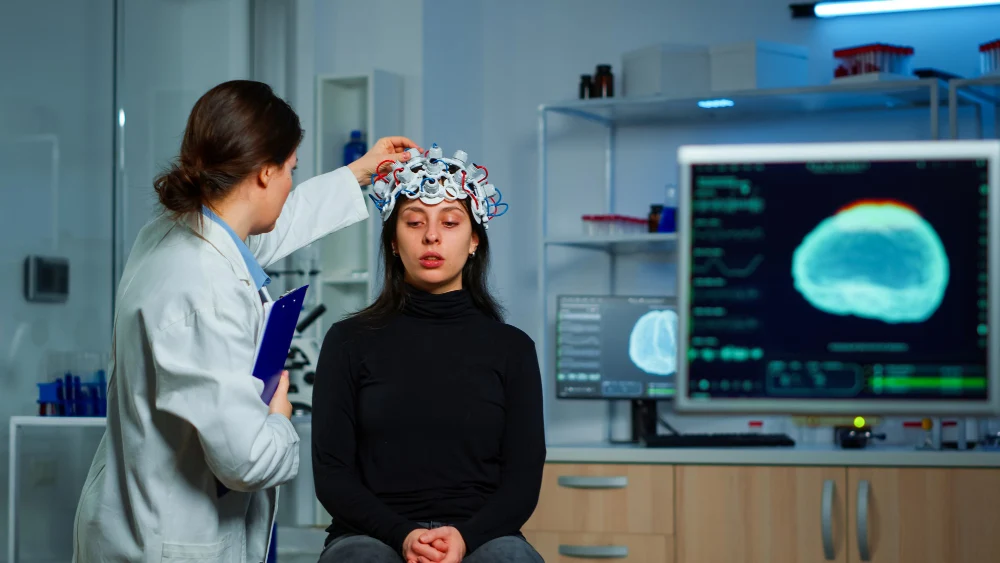
Neurology

Psychiatry

Sleep Medicine

Diabetes

Rheumatology
Interested?
Book for a specialist consultation and connect to our form.