
Remote Patient Monitoring
MedCIRC’s comprehensive Remote Patient Monitoring (RPM) program serves as the cornerstone of Metro Hospitals’ strategy for proactive, post-discharge care, fundamentally shifting the paradigm from reactive treatment to continuous, preventative health management. By seamlessly extending the hospital’s clinical oversight into the patient’s home environment, our integrated platform facilitates the real-time, passive collection and intelligent analysis of critical biometric data—including vital signs, key symptom reports, and chronic disease markers for conditions such as heart failure, COPD, and diabetes.
This continuous stream of objective, data-driven insights empowers care teams to move beyond episodic encounters, enabling the early identification of subtle physiological deteriorations and adverse trends long before they escalate into full-blown crises. Consequently, clinicians can initiate timely, targeted interventions—such as medication adjustments, lifestyle coaching, or scheduled telehealth consultations—preempting complications and emergency department visits.
How Remote Patient Monitoring Works

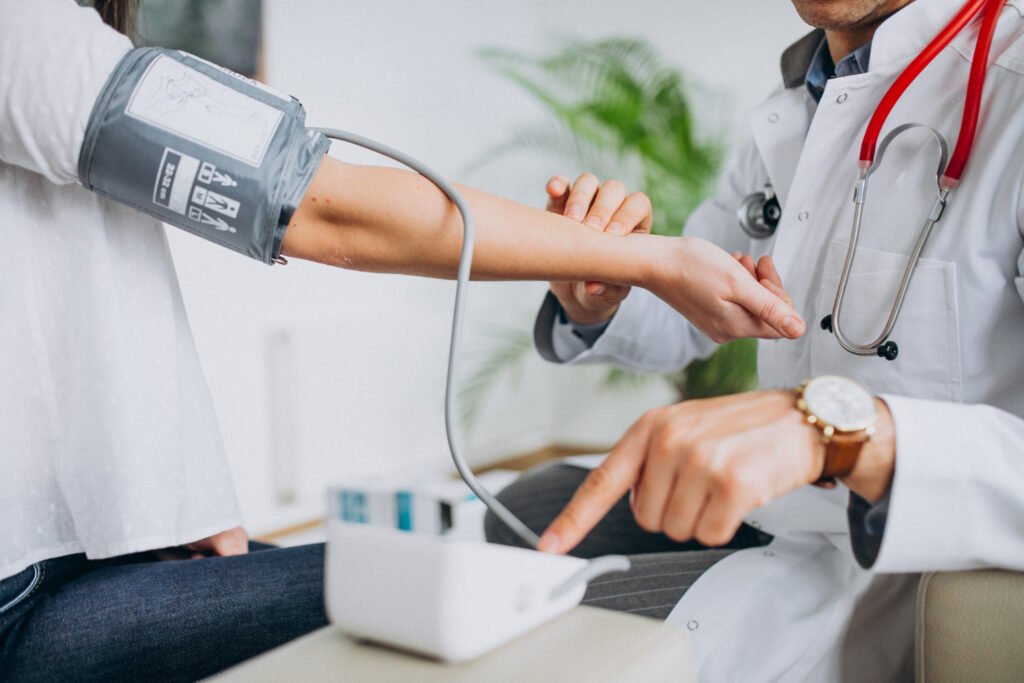
Connected Medical Devices Patients are equipped with easy-to-use devices such as
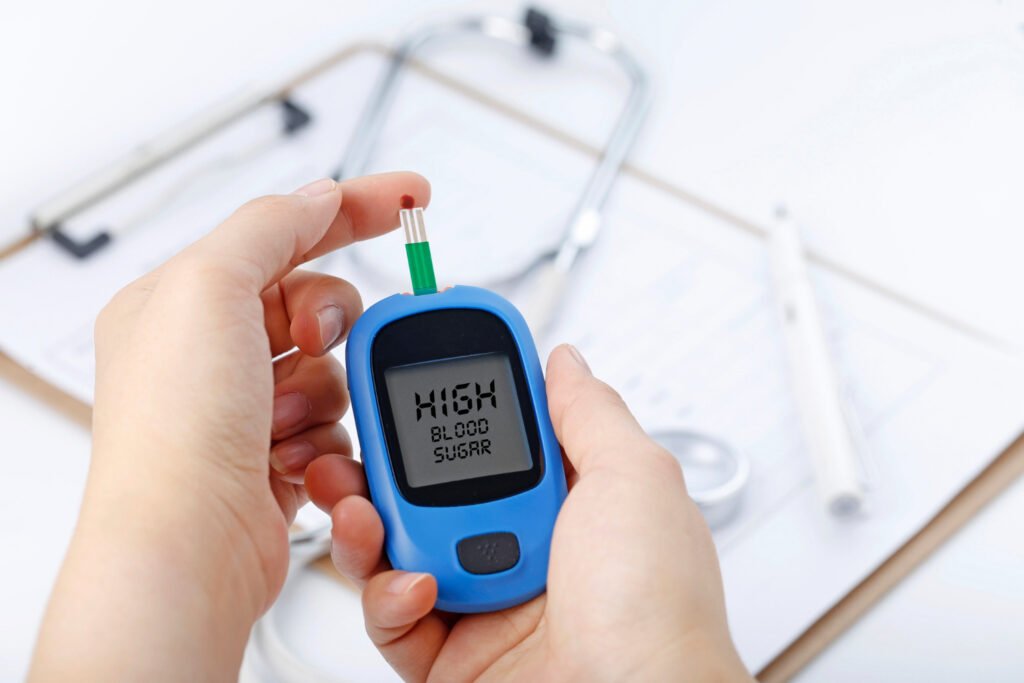
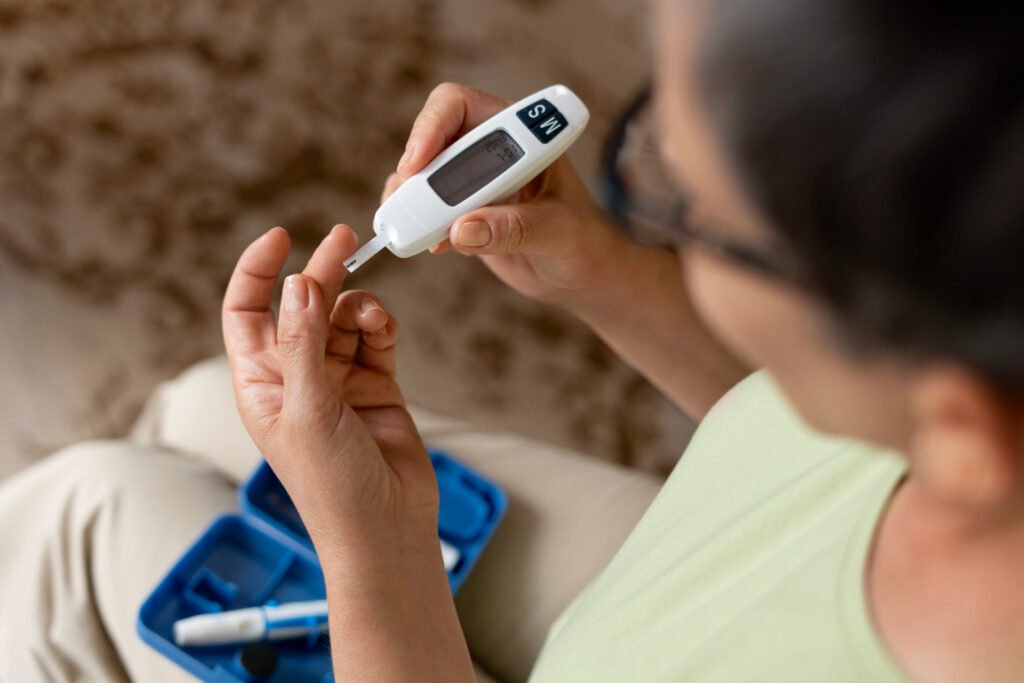
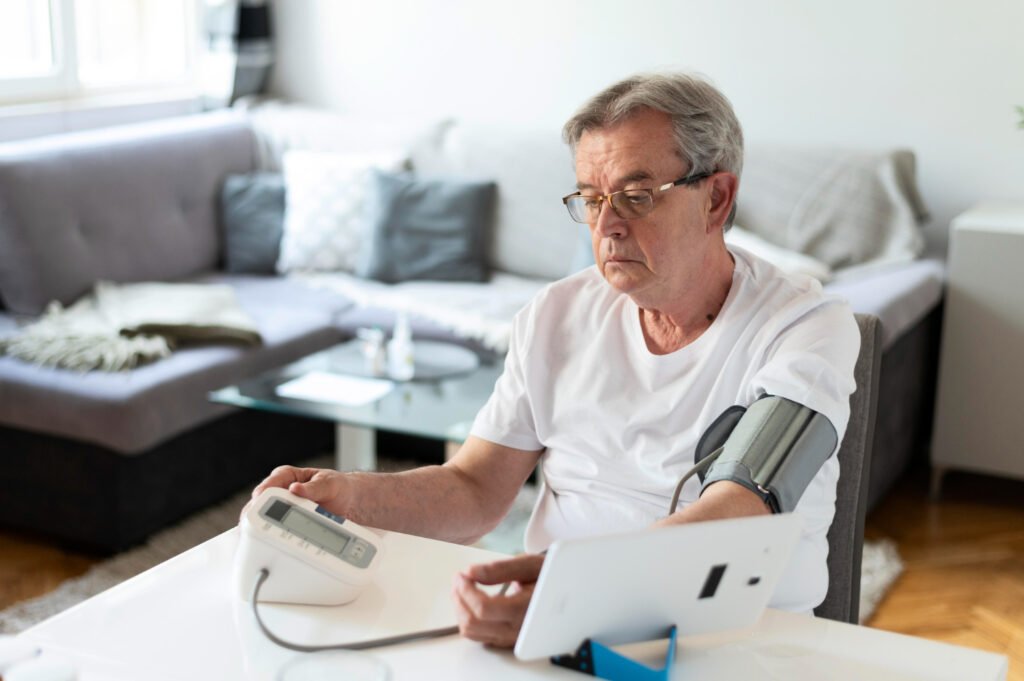
Blood pressure monitors,Glucometers,Pulse oximeters,Weight scales,ECG patch monitors,Wearable temperature and activity sensors All data flows automatically into the MedCIRC platform.

Real-Time Clinical Alerts Our AI-enabled RPM system continuously analyses data trends. It triggers early alerts for
Worsening heart failure, Uncontrolled diabetes, Post-operative complications, COPD or asthma deterioration, Abnormal vital signs, Medication non-adherence These alerts enable rapid clinical response before a readmission becomes necessary.

Dedicated Virtual Care Team MedCIRC’s team of nurses and physicians review alerts and coordinate next steps
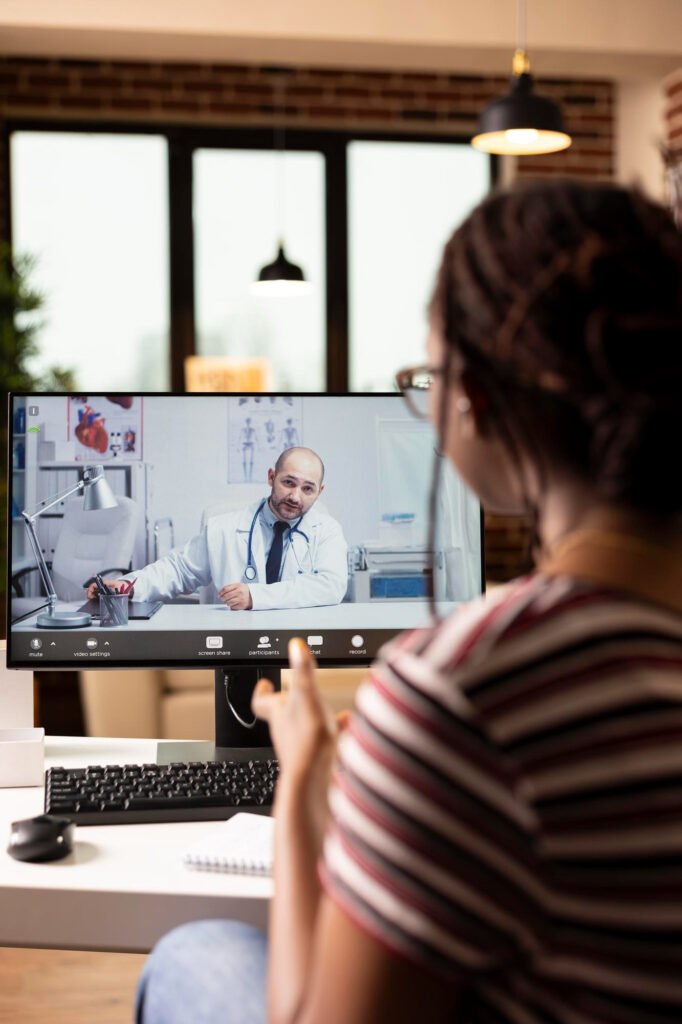
Phone or telehealth check-ins, Medication adjustments, Urgent GP consultation, Early intervention long before the condition becomes critical Hospitals get additional clinical capacity without increasing staff workload.

Seamless Integration With Metro Hospitals
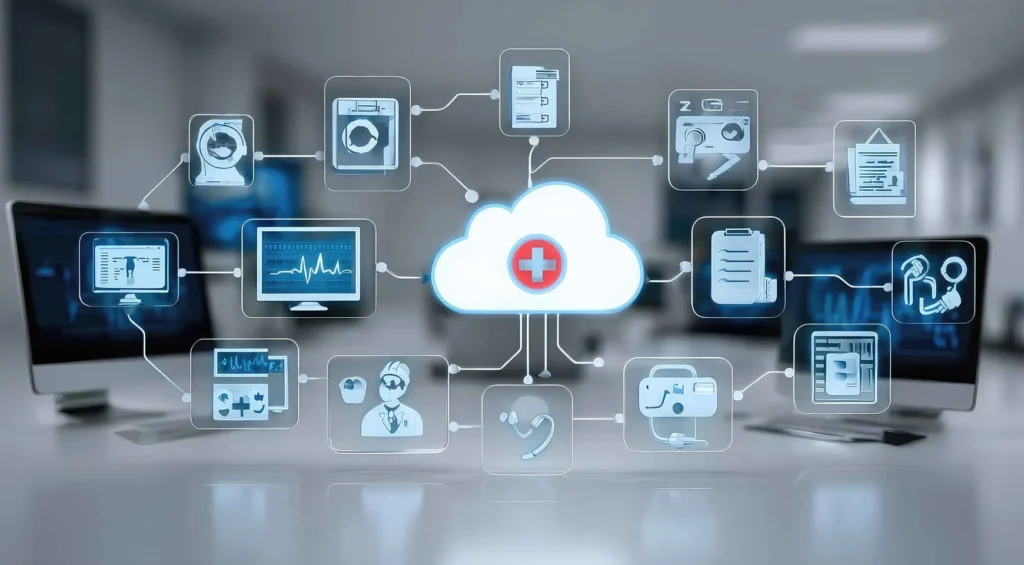
RPM data integrates directly into SmartClinIQ EHR, Treating specialists receive daily summaries and escalation reports, Shared documentation ensures continuity of care, Reduces the burden on hospital outpatient clinics
Remote Patient Monitoring
Home-based monitoring for chronic conditions such as diabetes, heart failure, COPD, and hypertension.
- Alerts sent to rural clinicians and MedCIRC specialists for timely intervention.
- Reduces hospital admissions and improves long-term outcomes.
Case-Based Collaboration
- Rural GPs and nurses can discuss complex cases with MedCIRC’s specialists.
- Shared decision-making improves confidence and patient safety.
- Regular multidisciplinary case conferences available.
Benefits for Metro Hospitals
- Reduced Readmissions Early detection helps prevent complications in heart failure, pneumonia, COPD, diabetes, and post-surgery care.
- Lower Hospital Costs Fewer emergency visits, optimized bed usage, and less strain on clinical teams.
- Better Patient Outcomes Safe recovery at home, continuous monitoring, higher treatment adherence.
- Improved Clinician Efficiency Automated data, smart triage, and reduced manual follow-ups.
- Higher Patient Satisfaction Patients feel supported and connected even after discharge.
Who Benefits Most
This specialized care model is designed for high-acuity patient populations, including postoperative recovery cases, individuals with cardiac, chronic respiratory (such as COPD), and diabetic metabolic conditions, older adults managing multimorbidity, and high-risk patients transitioning from hospital to home.
Digital healthcare solutions
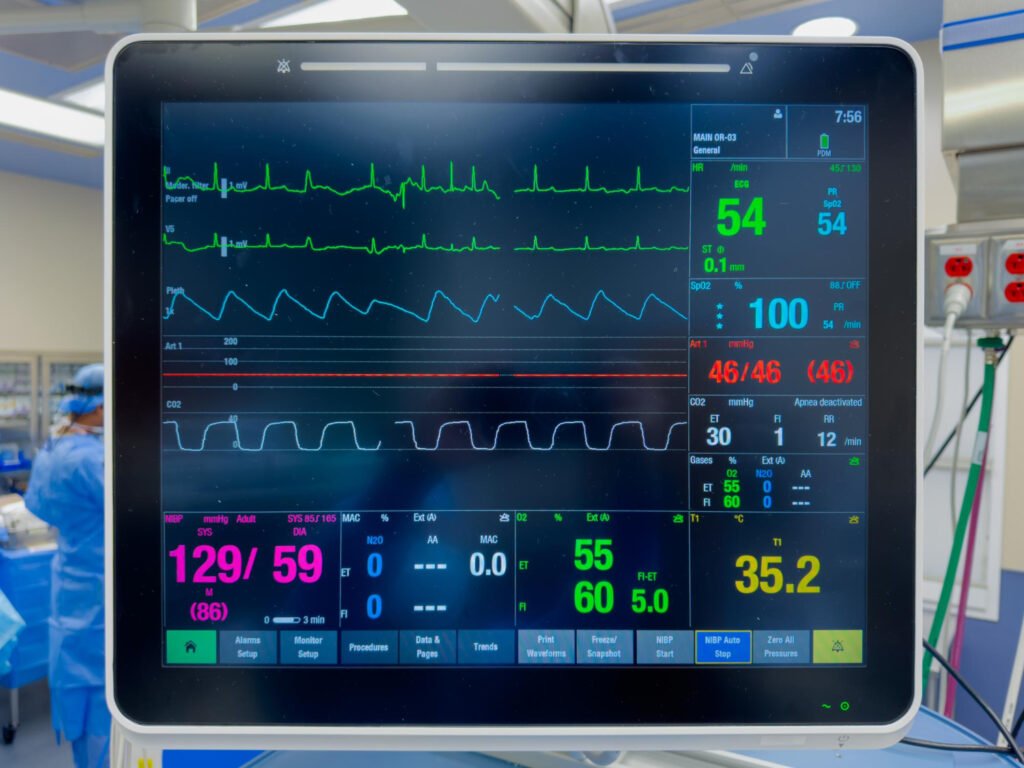
holter monitor
Blood glucose monitoring
high blood pressure
Blood Sugar
digital health data
holter monitor