
Connected Health Infrastructure
A modern population health framework moves beyond the management of individual patient episodes to a holistic, data-driven strategy for improving the health outcomes of an entire defined population. It is fundamentally built on a foundation of advanced data integration, synthesizing information from electronic health records (EHRs), social determinants of health (SDOH), environmental data, and real-time biometric streams from remote monitoring.
This integrated data lake is activated by predictive analytics and AI, which stratify the population into precise risk cohorts—identifying individuals at high risk for chronic disease exacerbations, mental health crises, or preventable readmissions. The framework then deploys targeted, technology-enabled interventions tailored to these cohorts, such as remote patient monitoring for cardiac patients, automated adherence nudges for diabetics, or AI-guided telehealth pathways for those in mental health distress.
The Problem & Underlying Causes

The current healthcare system faces a multifaceted crisis that severely limits its reach, effectiveness, and equity. The primary challenge is limited access to services, driven by a scarcity of specialists, vast geographic distances to care centers, and inadequate emergency response systems. This access barrier is compounded by poor chronic disease outcomes, stemming from late detection and inconsistent patient follow-up. A growing mental health crisis is exacerbated by stigma and a lack of providers, while persistent Indigenous health inequity reflects deep-seated cultural barriers and historical mistrust. Furthermore, socioeconomic and environmental risks, infrastructure gaps, clinician burnout, and fragmented health data create a complex web of systemic failures that prevent timely, effective, and equitable care for all populations.
Digital Twin & AI-Enabled Solutions
To address these systemic challenges, an integrated platform of Digital Twin and Artificial Intelligence technologies offers a transformative pathway. The foundation is the creation of a personalized Digital Twin for each patient—a dynamic, virtual model that integrates real-time biometric data, medical history, and environmental factors to enable continuous remote monitoring and predictive care. This is powered by an overarching AI-Enabled Intelligent Assist system, which analyzes data from individual and population-level digital twins to deliver actionable insights and automate support. Together, this technological core enables a shift from reactive treatment to proactive, personalized, and preventative healthcare management.
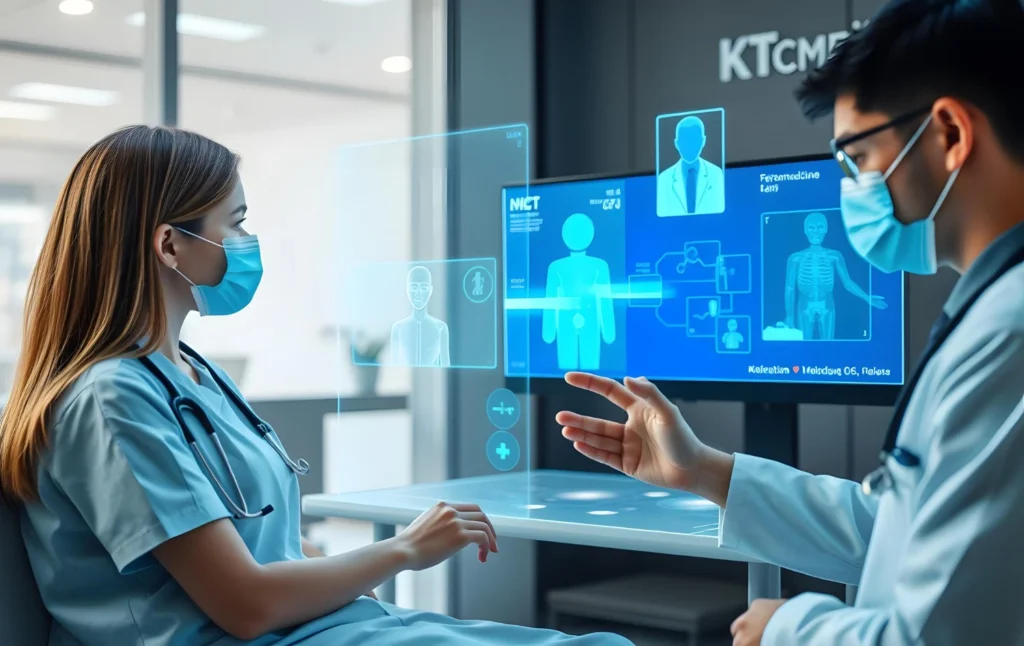
Solutions in Action

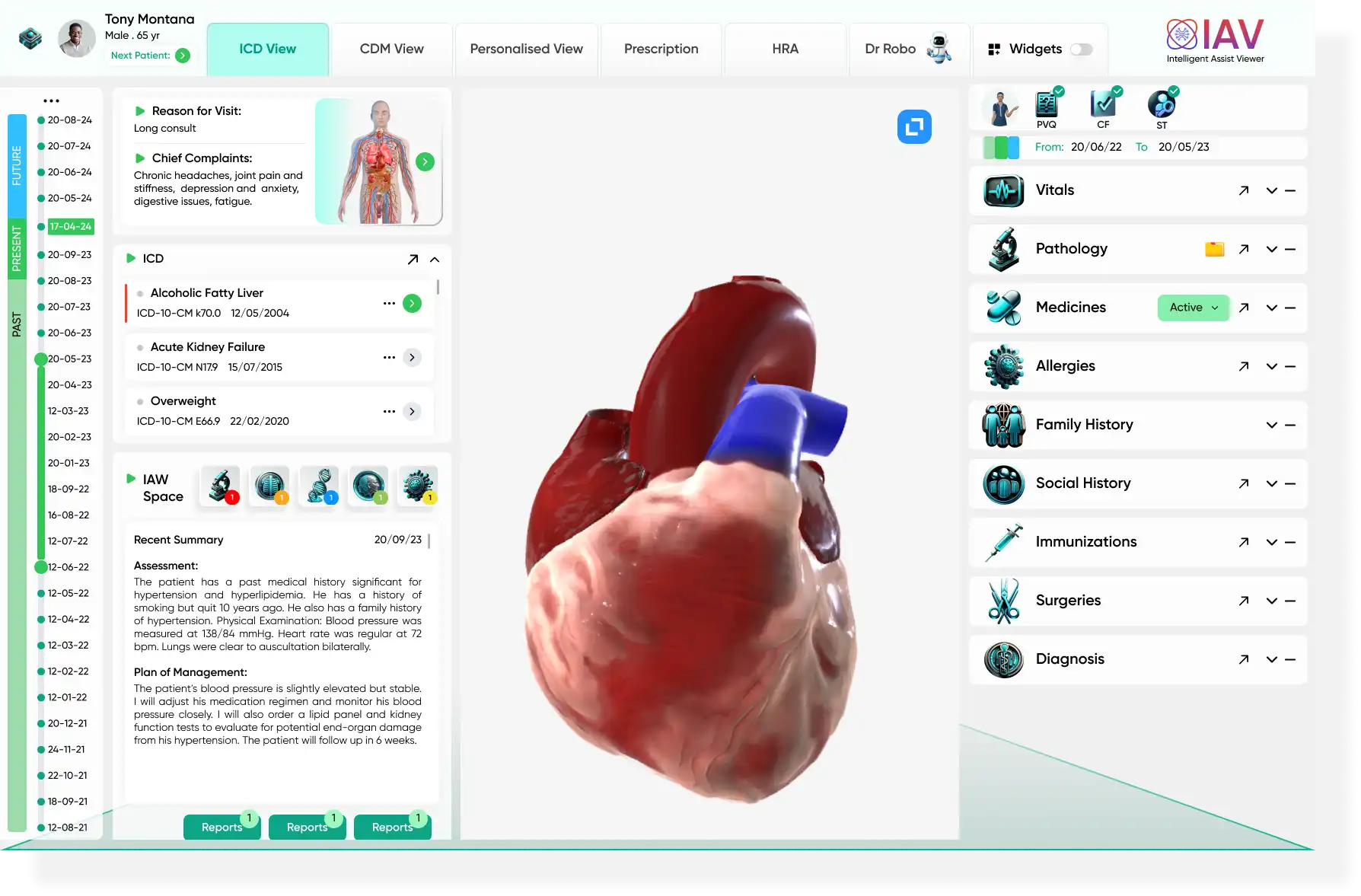
This technological framework directly targets each root cause of the healthcare crisis. For access and chronic care, an AI Telehealth Platform unifies EHR data with virtual consultations, while disease-specific Digital Twin models enable early risk detection and automated adherence support. To bridge mental health and equity gaps, an AI Mental Health Companion provides stigma-free screening, and culturally adapted interfaces with community Digital Twin hubs foster trust and preventive care in Indigenous communities. Infrastructure limitations are overcome with offline-capable systems and portable diagnostic kits linked to an AI diagnostic cloud. For systemic efficiency, a Unified Health Interface with an AI interoperability layer breaks down data silos, and an AI Clinical Decision Support system alleviates clinician burden, reducing burnout and enhancing retention through virtual collaboration tools. Ultimately, these solutions create a resilient, data-driven ecosystem that delivers continuous, equitable, and intelligent care anywhere.
Interested?
Book for a specialist consultation and connect to our form